Designing for Recovery: Creating Comforting Spaces for Oncology Patients
Imagine walking into a space designed not just for recovery, but for rejuvenation—where every corner whispers comfort and every piece of furnishing fosters wellbeing. For oncology patients battling malignancies like carcinoma, the environment plays a pivotal role in the healing journey. Transformative interiors aren’t just about aesthetics; they are about creating an atmosphere of hope, support, and connection between patients and their loved ones. In this blog, we'll explore how thoughtful interior design can enhance the healthcare experience for oncology patients and offer them a sanctuary that nurtures recovery.
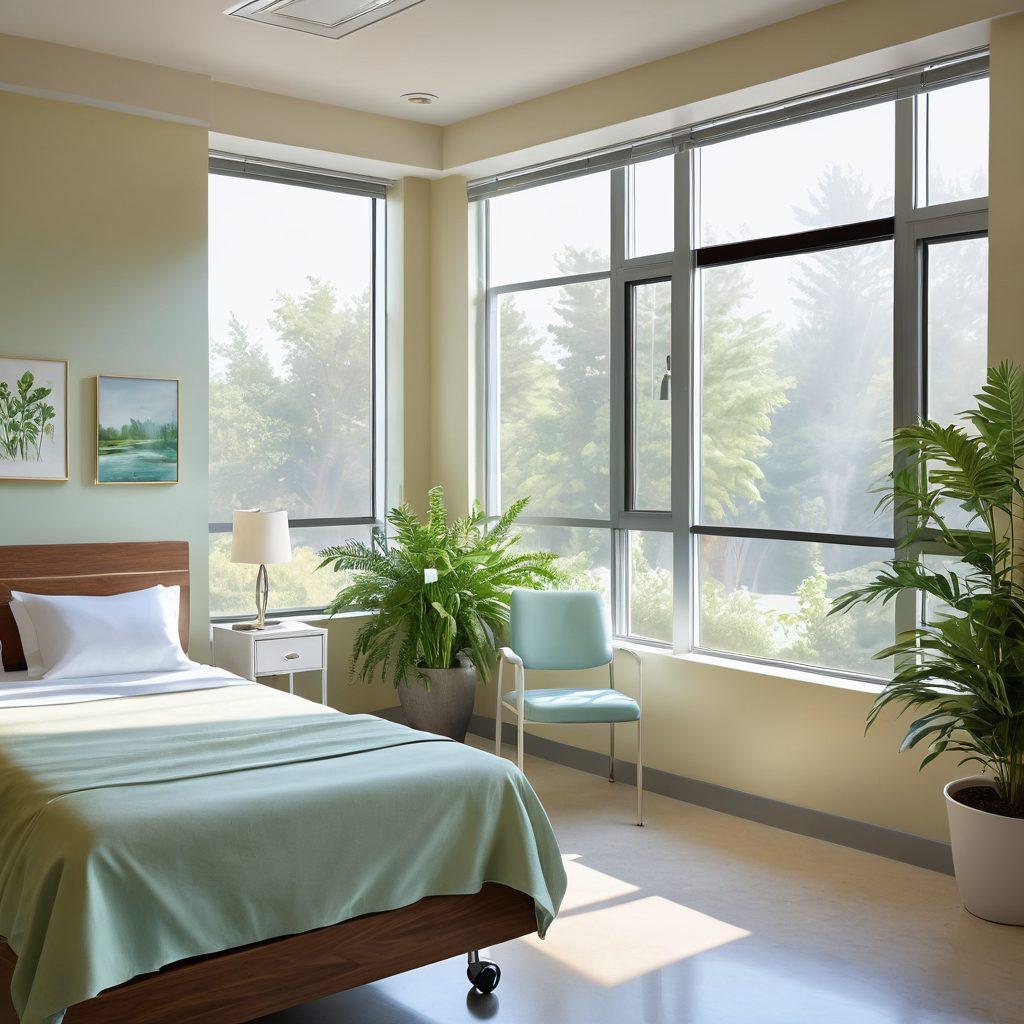
In the world of healthcare, the significance of a comforting environment is often overlooked. Most people might not realize how crucial interior design is when it comes to patient care, particularly in oncology settings. According to a recent study, well-designed hospital rooms positively impact recovery rates. How does that happen? It turns out that elements such as natural light, soothing colors, and comfortable furnishings can create a calming atmosphere—one that helps patients feel more connected and less isolated. After all, a well-crafted space can evoke feelings of tranquility, fostering a sense of control over their circumstances and enhancing the coping strategies they employ along their healing journey.
Imagine a bright waiting area filled with leafy plants, soft couches, and warm colors—a space that feels more like a cozy home than a sterile hospital. This is the vision of transformative interiors for oncology patients. Interior designers focus on aesthetics that not only catch the eye but also promote comfort and security. They prioritize elements that evoke positive emotions and reduce anxiety, thus enriching the patients' lifestyle. A thoughtful arrangement of furniture that facilitates group conversations can also encourage connection, allowing patients to engage with their support groups more effectively and share their journeys. It’s no longer just about surviving, but thriving!
Furthermore, education is vital when discussing interior design for patient recovery. Advocates for patient care and medical researchers continue to share needed resources, driving awareness of how effective therapeutic environments can lead to improved recovery outcomes. Community engagement plays a significant role in this advocacy as well. Patients, families, and healthcare professionals are encouraged to partake in discussions about what features or elements they believe contribute to an effective healing space. Imagine the possibilities if more hospitals listened to this feedback and altered their environment based on what patients find soothing!
Ultimately, design is not just about creating a space; it is about fostering an environment that acknowledges and nurtures the needs of oncology patients. By weaving together comfort, style, and therapy through intentional furnishings and decor, healthcare facilities can become havens of hope and healing. As we continue to explore the intersection of design and wellbeing, let's remain committed to improvement—so that every oncology patient finds a sanctuary that supports their recovery, their journey, and their right to live fully and freely.
Healing Environments: The Role of Design in Cancer Recovery
In the heart of every oncology department lies a greater mission than just curing carcinoma; it’s about creating healing environments that foster recovery and enhance wellbeing. Imagine stepping into a medical space that doesn’t feel like a hospital but rather a comforting retreat, where the ambience provides solace to patients battling malignancy. Designing spaces with the intent to heal can make a world of difference for those undergoing therapy for cancer. It’s fascinating how the right interior design can pave the way for improved patient care and ultimately make the journey a little easier. Are you ready to explore the transformative power of design in these critical environments?
Healing environments go beyond just aesthetics. They embrace the concept that healing takes place in spaces that provide comfort and connection. Studies have shown that a warm, inviting environment can significantly impact a patient's recovery. Furniture choices, color palettes, and the arrangement of space all play vital roles in reducing stress and promoting positivity. Think about it: when was the last time you stepped into a room filled with soft, plush furnishings and natural light streaming through? Did you feel a sense of calm wash over you? That’s the energy we should infuse into oncology facilities, encouraging a sense of community engagement among patients and families alike.
The powerful influence of home decor cannot be overstated either. Many patients long for the comforts of home as they navigate the challenges of cancer treatment. Incorporating familiar elements into the design can make a hospital feel less intimidating and more like a sanctuary. From vibrant artwork that sparks joy to soothing soundscapes that calm the mind, each detail holds significance in promoting mental resilience. Moreover, creating spaces for support groups within these healing environments further bolsters the connections that are essential during recovery. What if your interior design choices could pave the way for effective coping strategies for those dealing with cancer?
Consider this: every chair placed in a waiting room holds the potential to spark a conversation among patients, fostering relationships that may continue beyond their treatment. This dynamic speaks volumes about how thoughtful design can serve as an advocate for the human element of healthcare. It enables interactions that encourage sharing information and resources between individuals, thereby building a stronger community support system. How can we better utilize our spaces to inspire these connections?
Ultimately, the goal is to debunk the notion that hospitals are merely sterile environments designed for clinical efficiency. Instead, we should envision them as healing spaces that nurture the spirit, encouraging an active lifestyle and genuine human connection. Incorporating the principles of effective design in oncology facilities could lead to adjustments that significantly improve the recovery experience. By embracing these concepts, we not only support patients but also their families and caregivers who share the journey. What design changes would you advocate for to ensure a more caring and healing environment for those facing cancer?
Comfort Meets Care: Furniture and Decor Strategies for Patient Support
Imagine walking into a space designed not just for healing but for genuine comfort—this is the essence of creating comforting spaces for oncology patients. With the right furniture and decor strategies, we can transform the often sterile and intimidating environments of healthcare settings into warm, inviting sanctuaries that promote wellbeing and support. As we embark on this journey of interior design tailored for cancer care, let’s explore how thoughtful choices in furnishings can provide a therapy of their own, nurturing the spirit while supporting recovery.
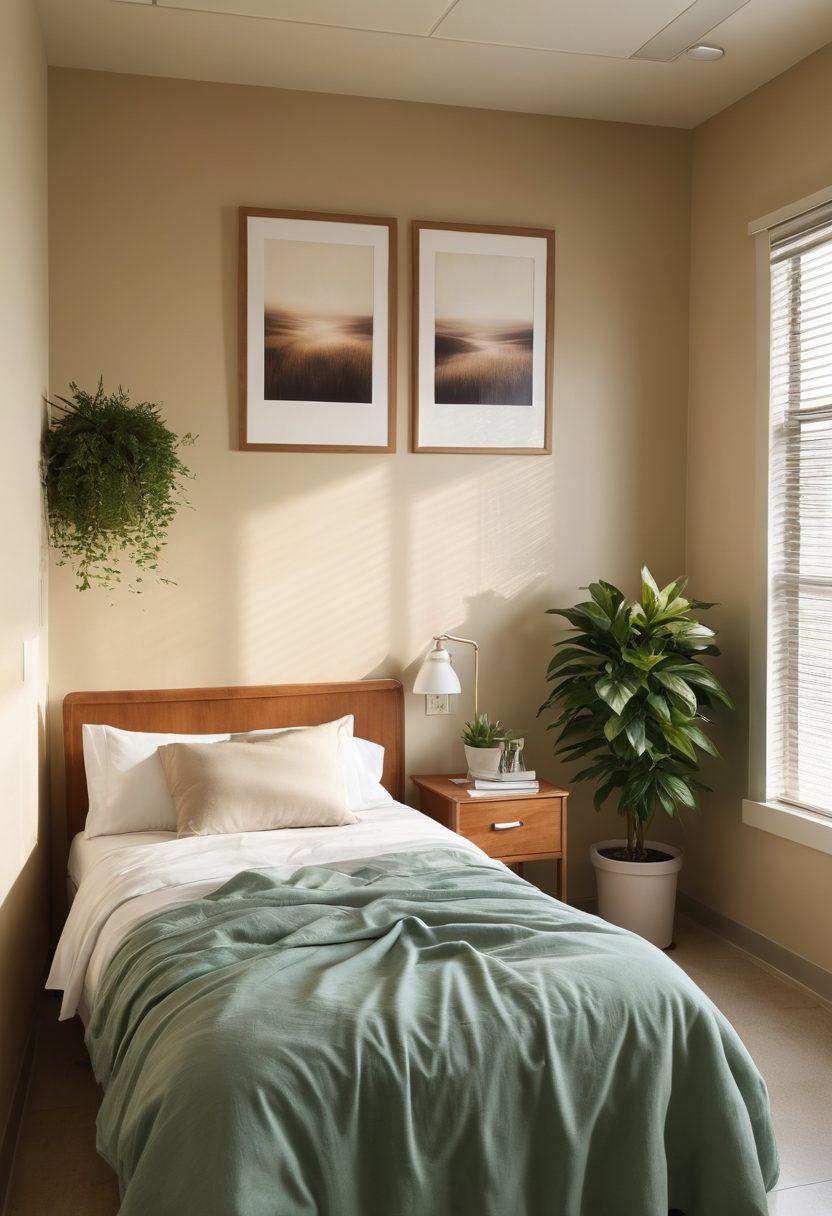
Incorporating elements that enhance comfort in oncology care can make a world of difference for patients battling carcinoma and other malignancies. Have you ever thought about how the color of a room impacts your mood? Soft hues of blue and green can evoke tranquility and peace, fostering an atmosphere of healing. Alongside these colors, selecting cozy seating options, like recliners with optimal back support, allows patients to relax while receiving treatment or simply sharing moments with loved ones. These simple yet impactful changes embody the spirit of patient care and are rooted deeply in the understanding of how environment plays a vital role in recovery.
Coping strategies can have a physical and emotional dimension, and the right home decor can bring those strategies to life. Introducing elements like artwork from local artists, inspirational quotes displayed around the room, or communal spaces designed for support groups can create a sense of advocacy and connection among patients. One might ask, how can we harness the power of community engagement in healthcare settings? By sharing spaces and experiences, individuals can foster relationships that not only support their journey but also educate others through shared resources and news on the latest research.
When designing interior spaces for oncology patients, it’s essential to weave the narrative of lifestyle and comfort throughout the furnishings. Imagine a reading nook adorned with plush pillows and a curated selection of books on wellness and healing—an oasis for exploration and education. Furniture pieces that are easy to clean, comfortable, and adaptable to different needs serve not just functional roles but also add a personal touch to patient care. How can each choice become a dialogue for recovery? Every element must resonate with the patient’s journey and reflect their individuality, creating an environment that embraces who they are beyond their diagnosis.
Creating comforting spaces is not just about aesthetics; it’s about engaging with the patient’s experience, promoting recovery through design. Think of the vital role that nature plays in healing—how can we incorporate greenery into our indoor spaces? Strategically placing plants not only elevates the interior design but also works as therapy, providing fresh air and a reminder of life and growth. From the furniture we choose to the decor elements we incorporate, every decision is an act of compassion, a step toward supporting the cancer community better. Through thoughtful design, we can bridge the gap between treatment and a cohesive, nurturing atmosphere that enriches the overall patient experience.